When a Dispensary Burns but a Pharmacy Doesn’t: What Our Jokes Say About Cannabis Culture

Same Smoke, Different Headlines: Pharmacy Fire vs. Dispensary Fire
Picture this: two small-town Main Streets on a cold winter morning. On one side of the country, a neighborhood pharmacy catches fire. On the other, a cannabis dispensary does. In both places, firefighters race in, streets close, and neighbors watch from behind yellow tape, clutching coffee cups and phones. The smoke from each building is a problem for lungs and air quality, not a punchline. Yet you can probably guess which fire gets treated like a setup for a joke.
When the pharmacy burns, the reaction is straightforward: “Hope everyone’s okay,” “Those poor workers,” “I wonder where we’ll get prescriptions now.” When the dispensary burns, headlines start winking. Social posts talk about the “highest town in America,” comments joke that everybody downwind is going to sleep like a baby or fail their next drug test. Same basic emergency, very different cultural script.
That script did not appear overnight. It grew out of decades of jokes, scare stories, and one-liners about “contact highs” and “weed smoke rolling across town.” Today, we also know that cannabis is part of real people’s lives in ways that are a lot less cartoonish: adults with disabilities using it for pain and tension relief, as shown in the new national survey we cover here: Cannabis Use Among People With Disabilities: New Study Finds Widespread Use for Pain and Tension Relief. Still, the old reflex shows up whenever smoke and cannabis share a sentence.

From Simpsons Gags to Small-Town Fires: How Pop Culture Wrote the Script
Pop culture has been training us to laugh at cannabis smoke for a long time. Think about how often you have seen the same gag: a big cloud of weed smoke drifts out, and suddenly everyone nearby is giggling, hungry, or oddly relaxed. The joke works because the audience already knows the shorthand — cannabis smoke is treated as almost magical, like a weather pattern with a punchline.
The Simpsons have leaned into that shorthand more than once. One famous bit has marijuana smoke looking just a little too inviting…
…and another shows the classic “old man yelling at cloud” energy that has hovered over cannabis debates for years:
Those scenes are funny because they exaggerate a feeling we already recognize. But the same reflex shows up when a real dispensary burns. Suddenly, the smoke over a small town is imagined as one big hotbox, even though what people are actually breathing is ordinary structure-fire pollution — the same mix of dust, soot and chemicals you would worry about if a pharmacy, furniture store, or warehouse went up in flames.
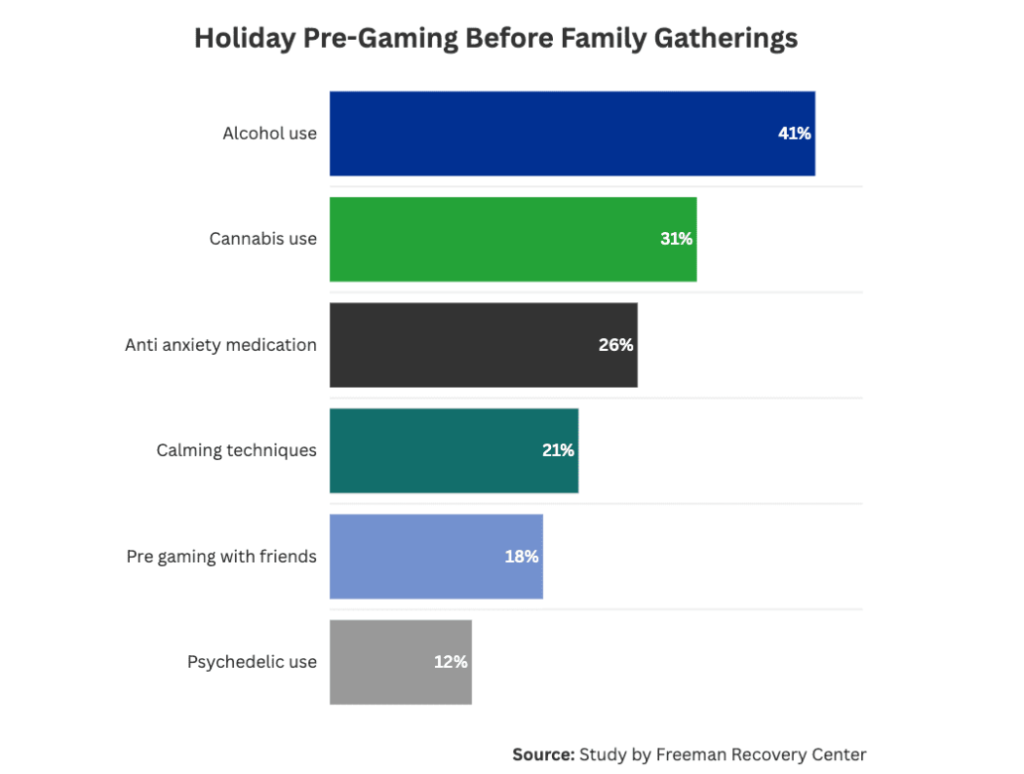
Meanwhile, everyday cannabis use is looking less like a joke and more like a lifestyle shift. One of our recent pieces found that one in three Americans now “pre-game” holidays with cannabis, often in the form of controlled, labeled hemp drinks instead of another round of cocktails: 1 in 3 Americans Now ‘Pre-Game’ Holidays With Cannabis: What It Means for Hemp Drinks & Family Stress. That’s a long way from the cartoon cloud drifting through town — and a good reminder that real life is more nuanced than the punchline.

Normal Businesses, Real Fires and a More Grown-Up Cannabis Conversation
In 2026, a dispensary fire is not a cosmic event. It is a business emergency. Staff evacuate, firefighters respond, and insurance paperwork gets thicker by the minute — just like it would for a small pharmacy, bakery, or hardware store. The cultural weirdness creeps in when cannabis is treated as the main character instead of one product on the shelves.
That same “main character” treatment shows up in policy, too. When politicians and pharma-adjacent institutions suddenly agree on a move like cannabis rescheduling, the headlines can feel triumphant while the details stay messy. In our breakdown, we talk about why it is smart to pay attention when powerful players line up on cannabis — and why the fine print still matters for banking, access and everyday consumers: When Politicians and Pharma Agree on Cannabis, It’s Time to Pay Attention.
So what does all this have to do with your fridge. As cannabis businesses become more ordinary — staffed by real people, inspected by regulators, and yes, vulnerable to the same accidents as everyone else — it helps to treat their products with the same grown-up perspective. For us at Crafty, that means focusing on clearly labeled, hemp-derived drinks and cocktail-inspired gummies for adults in legal markets who want a steady, predictable experience instead of a wild story. Fires should be rare and taken seriously, whether they happen in a pharmacy or a dispensary. The fun belongs in the glass or the gummy — not in the way we talk about someone else’s bad day.